


The Echo of Fear in the Digital Age: The Battle for Truth in the Trump Era
September 23, 2025 Hour: 2:35 pm
🔗 Comparte este artículo
The recent controversy surrounding host Jimmy Kimmel and Donald Trump’s threat to revoke licenses from critical media outlets are not separate issues.
What appears to be a minor clash between a politician and a television comedian actually represents a disturbing symptom of democratic erosion in the United States.
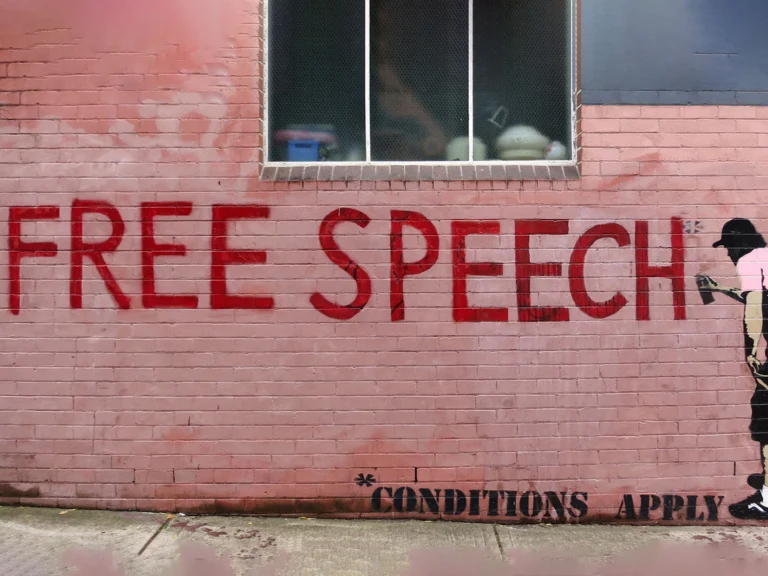
Freedom of speech, far from protecting a plurality of voices, is being instrumentalized as a weapon against dissent.
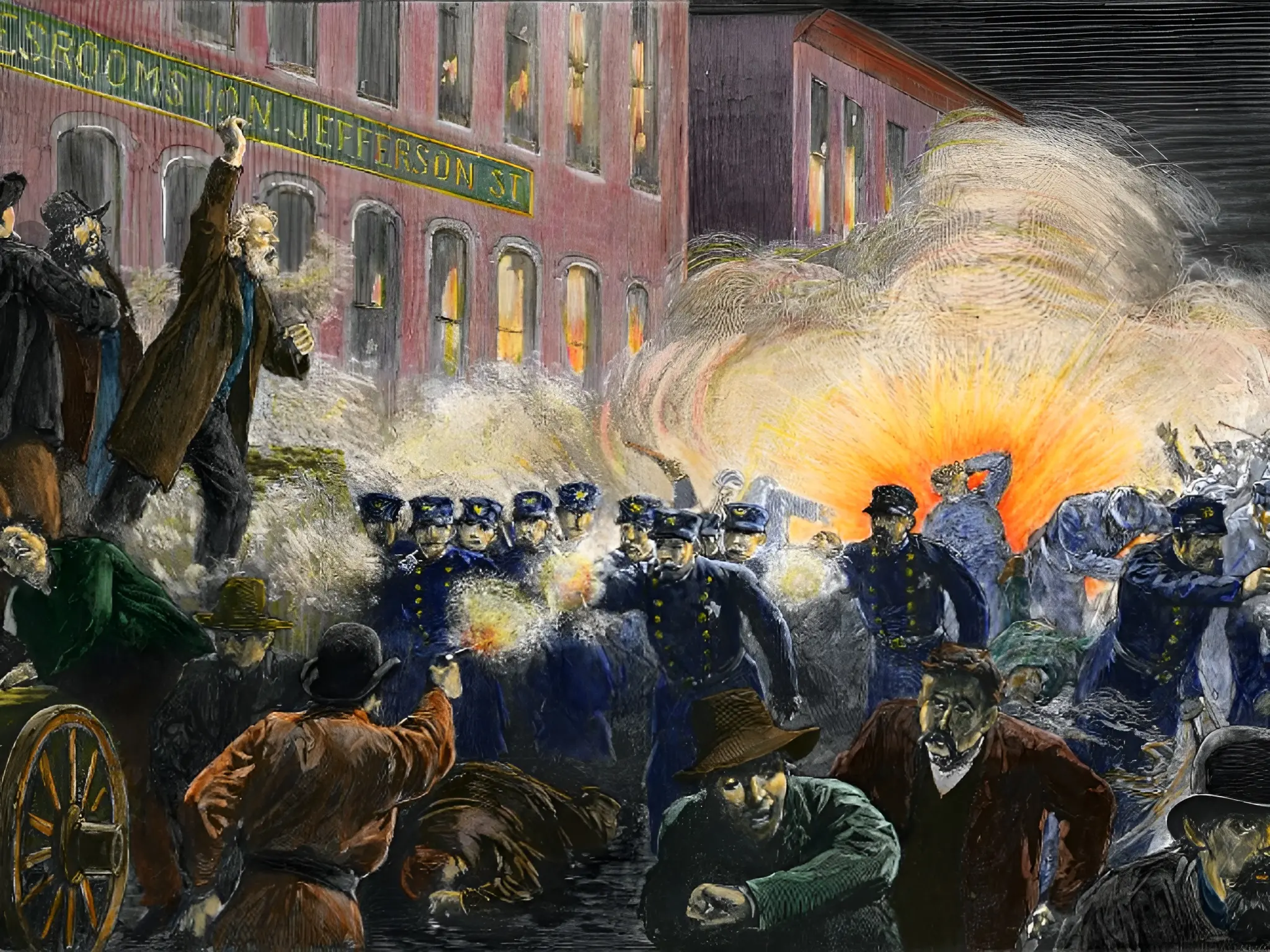
It’s impossible not to draw a parallel with McCarthyism, that era of ideological persecution that marked one of the darkest chapters in American history.
Today, using new tools like social media, the courts, and even state regulators, Trump multiplies and updates censorship tactics, creating an atmosphere of digital fear comparable to the dreaded “Red Scare” of the mid-20th century.
McCarthyism: An Unfinished Lesson
The 1940s and 1950s were marked by the rise of Senator Joseph McCarthy and his anti-communist crusade, known as the “Red Scare.”
This state policy generated a climate of paranoia that eroded fundamental freedoms and turned the First Amendment into a mere constitutional ornament.
The House Un-American Activities Committee specialized in persecuting citizens and organizations it deemed subversive, often without solid evidence.
Its public hearings, broadcast on radio and television, functioned as veritable media trials where reputations were destroyed in real-time.
- Hollywood blacklists: Actors, screenwriters, and directors were blacklisted from the industry based solely on suspicions of communist sympathy. Anyone appearing on these lists saw their career ended.
- Loyalty trials for public employees: Thousands of federal workers were forced to swear absolute fidelity to the “American dream” or risk their jobs and family income.
- The Oppenheimer case: Even the “father of the atomic bomb” suffered persecution, losing his security clearance due to past communist ties and for questioning the hydrogen bomb.
- Guilt by association: Citizens who had donated years earlier to the Spanish Republic during the Civil War were treated as potential traitors.
McCarthyism entrenched the idea that any dissenting expression equated to a threat to the nation.
The message was clear: if you were progressive, critical, or simply different, you could be canceled, with devastating consequences for your life and work.
Digital McCarthyism: Trump and Censorship
President Donald Trump has perfected these repressive tactics. His language follows the same script: critical media are “enemies of the people” and journalists are agents of a conspiracy against him.
A significant episode was that of Jimmy Kimmel. The comedian satirized a reaction from Trump following the assassination of Charlie Kirk, and shortly thereafter the ABC network suspended his program under intense political and media pressure.
Trump celebrated this punishment and went even further, stating that networks with “97% negative coverage of him” should lose their broadcast licenses.
But this is not an isolated incident:
- Stephen Colbert, another critical comedian, also saw his television show targeted by political threats.
- Lawsuits: Trump filed multi-million-dollar lawsuits against The New York Times and The Wall Street Journal, not only demanding financial compensation but also sending a clear message of intimidation to any outlet willing to investigate him.
- Support from federal regulators: FCC Chairman Brendan Carr publicly endorsed the pressures against ABC, transforming an agency meant to be neutral into an instrument of political censorship.
Trump’s digital McCarthyism does not need printed blacklists or public loyalty oaths. Its mechanism is more sophisticated: multi-million-dollar lawsuits, smear campaigns on social media, and a digital army ready to harass and report critical journalists.
The Double Standard on “Free Speech”
One of the greatest contradictions of the American right is its discourse on free speech. While presenting themselves as staunch defenders of this right, they restrict it selectively to benefit their interests.
Attorney General Pam Bondi, for example, insisted on prosecuting an employee who refused to collaborate in a tribute to Charlie Kirk.
At the same time, Vice President J.D. Vance called on social media to publicly denounce those who “dared to celebrate” that attack, encouraging employers to fire such citizens.
Trump and his allies have succeeded in turning the digital landscape into a space where guilt by association is once again common currency.
Today, it is not about sympathizing with communism, as in the fifties, but about identifying with progressive causes, criticizing the former president, or questioning the official right-wing narrative.
The Structural Attack on the Press
This media harassment occurs at a particularly fragile time for journalism. Traditional media are facing a crisis of audience and revenue, making them more vulnerable to political and economic pressures.
Trump’s tactic is clear:
- Discredit journalistic criticism with the term “fake news.”
- Reduce public trust in the media, instilling the idea that the press is biased against him.
- Financially suffocate critical media through costly lawsuits that drain resources and energy, even if he ultimately loses the cases.
Despite this hostile scenario, there is resistance. The decision by Disney, ABC’s parent company, to reverse the suspension of Jimmy Kimmel following public pressure demonstrates that civil society can play a key role in defending media plurality.
Polarization as a Strategy
A key element of this dispute is the use of political polarization to divide public debate. Trump and the hard wing of the Republican Party label any progressive stance under the umbrella of “WOKE ideology.”
Thus, discussions about racism, gender, sexual diversity, or social equity are caricatured as an illegitimate agenda and ridiculed in media outlets aligned with the far-right.
This strategy serves a dual purpose: mobilizing their conservative base and discrediting any debate that seeks to question structural inequalities in the United States.
However, even within the Republican Party, there are voices warning of the danger of using the state apparatus as a tool of censorship. Senator Ted Cruz, known for his right-wing positions, has pointed out that manipulating the FCC to silence critical media could backfire on Republicans themselves in the future.
What is at Stake?
The central issue transcends the confrontation between a president, a few comedians, and some media outlets. It is about something much deeper: the defense of independent journalism as a pillar of democracy.
If the press is silenced for fear of economic, political, or social reprisals, society loses its ability to be informed and to question those in power. Democracy, without a strong and critical press, risks becoming pure formalism.
Today we are experiencing what could be called a Digital McCarthyism: it’s not about persecuting communists, but about punishing progressive dissent.
Physical blacklists are not needed, because social media fulfill that function with much greater efficiency and devastating speed.
The Urgency of Freedom in the Digital Age
In the current context, censorship and political persecution under Trump represent a structural risk to American democracy. As in the McCarthy era, dissent is punished with exclusion, fear, and persecution.
The struggle for independent journalism is much more than a cause for journalists. It is the resistance against an authoritarian model that seeks to homogenize public opinion under the shadow of fear.
Defending freedom of expression against the advance of Digital McCarthyism in the Trump era is to defend the very possibility of democracy.
Author: Silvana Solano
Source: TeleSur